
How to pick goal management software your team will actually use

Written by
Chris Pitchford
Reading time
4 min read
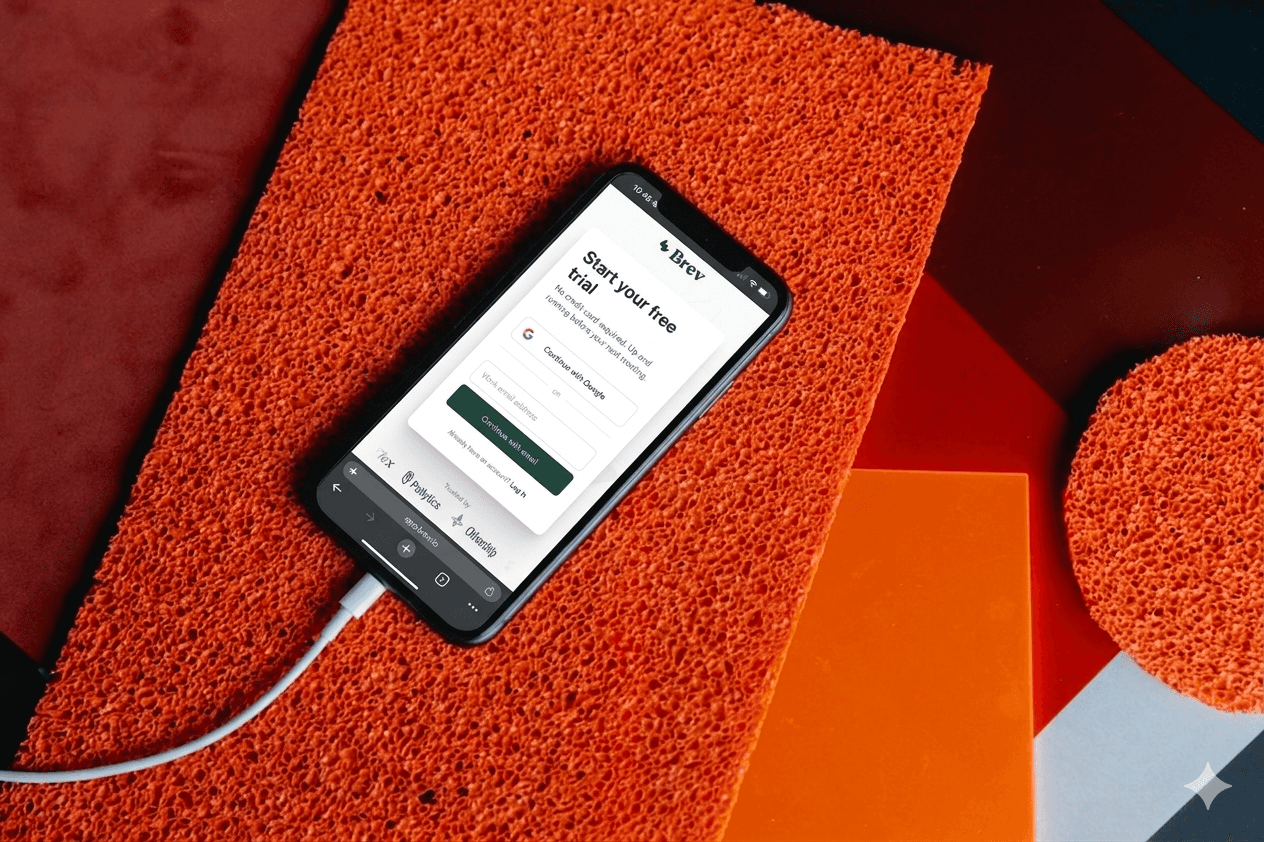
Most companies that buy goal management software stop using it within 90 days. Not because the software is bad — because they picked it wrong.
The decision usually goes like this: leadership wants OKRs, IT or ops evaluates three or four platforms, picks the one with the best demo, and rolls it out company-wide. Six weeks later, goals are 60% empty and the only person updating them is the one who bought it.
This isn’t a training problem. It’s a selection problem. Here’s how to pick goal management software that earns adoption instead of demanding it.
Start with your biggest friction point
Before you look at any tools, name the thing that’s actually broken.
Is it that nobody updates their goals? Then you need goal management software with automatic progress tracking — not better reminder emails.
Is it that you can’t get a coherent picture of company progress before your reviews? Then you need better aggregation and reporting.
Is it that goals get set and then disconnected from actual work? Then you need goal management software with deep integrations into the tools where your team works every day.
Most buying decisions skip this step. They look at feature lists and pricing tables without anchoring to the real problem. Then they buy a general-purpose tool that does 10 things adequately instead of one thing brilliantly.
The adoption test: ask these three questions before you buy
1. How does progress get updated?
If the answer is “users fill in their progress weekly,” you’re buying a system that relies on human memory and discipline to function. For some teams that works. For most, it doesn’t.
The better answer: goal management software that automatically updates progress by reading from your connected tools — CRM, project management, engineering tracker, Slack.
2. What does the weekly experience look like?
Ask to see a demo of what a normal Tuesday looks like, not what a QBR looks like. Great goal management software is woven into the daily and weekly ops rhythm — not just something you open before a board meeting.
Brev integrates directly with Slack and your existing tool stack, so goal updates and action items surface where your team already works. No new app to open, no behavior change to force.
3. How long does setup take?
This is underrated. If your goal management software requires a 6-week implementation, you’ve already introduced 6 weeks of delay before any value. For mid-market companies, fast onboarding isn’t a nice-to-have — it’s a signal that the tool was designed for your actual operating model.
What separates good goal management software from noise
Specificity over completeness. You don’t need 400 features. You need automatic tracking, clean dashboards, and meeting support. A tool that does three things well beats one that does twelve things poorly.
Action over visibility. The best goal management software doesn’t just show you that a goal is at risk — it tells you what to do about it. Look for AI-generated action items, built-in recommendations, and tools that support decision-making at the point of need.
Integration over isolated. Goal management software that lives in its own silo dies. It needs to pull data from where your team works and push outputs to where your team communicates. Native integrations with Salesforce, Linear, Slack, HubSpot, and GitHub matter.
Agent-aware over human-only. The best goal management software in 2026 serves both the humans and the AI agents on your team. If it can push your live goals into Claude, Codex, or Cursor via MCP, every prompt your team writes starts with the context that actually matters. That’s the difference between AI tools that drift and ones that execute.
A word on the “OKR methodology” rabbit hole
A lot of goal management software vendors spend more time selling you on OKR philosophy than on how the product actually works. Be skeptical. OKRs are a useful framework. But the methodology is learned in a day. The tooling is what determines whether your goals stay live or go stale.
Don’t buy a consultant wrapped in software. Buy goal management software that automates the boring work so your team can focus on the interesting work.
How to run a proper eval
Pick your real-world test. Set up one team’s actual Q2 goals in each tool you’re evaluating.
Check update friction. After two weeks, how much manual effort did it take to keep goals current?
Run a meeting prep test. Use each tool to prep for your next weekly review. Time how long it takes.
Ask your team. Not leadership — the ICs who will actually use it daily. Their adoption rate is the only metric that matters.
Brev offers a hands-on demo specifically designed around these eval criteria. See how other ops leaders set it up.
The goal management software that wins isn’t the one with the best demo. It’s the one your team is still using in month four. Optimize for that.
Start with Brev today and get $100 in free credits when you sign up — claim your credits here.

Stay in the loop
Get execution insights, product updates, and OKR playbook, delivered to your inbox.
You may also like these
Related Posts


